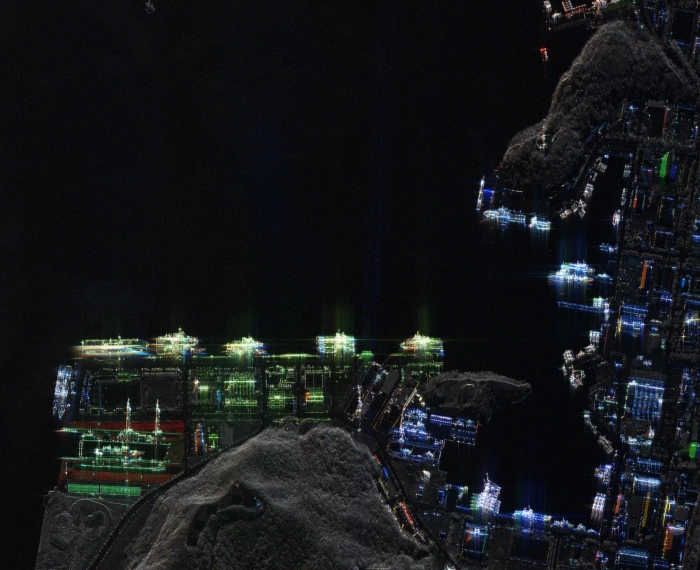
SAR-capture_coast_hero_medium

Accurate, near real-time Earth monitoring with SAR data

Monitor any location with SAR data and get unprecedented access to accurate images of any location on Earth – every few hours, day and night, in any weather.

What is SAR satellite data and how is it used in defense?

SAR satellite data is the imagery and information produced by Synthetic Aperture Radar (SAR) satellites. Instead of capturing reflected sunlight like a camera, SAR satellites transmit radar pulses toward Earth and record the signals that bounce back. The result is a detailed, geolocated picture of the surface that works in any weather, day or night.

In defense, SAR data is used to monitor borders and contested areas, track ships and aircraft, detect changes around military sites, support targeting decisions, and provide commanders with continuous situational awareness.

Your competitive edge with ICEYE

multiple_satellite

World's largest satellite constellation

ICEYE launched over 70 satellites since 2018 with plenty more planned for 2026 and beyond.

satellite_clouds

Imaging in all weather conditions

See through clouds, smoke, ash, fog and even total darkness.

satellite_plain

High-resolution, vast areas

See the detail and understand the context with resolutions up to 25 cm and scenes up to 120,000 km².

24_hours

Under 6 hour global revisit

Up to sub-daily monitoring and change detection allow for unprecedented change detection.

time

Timely delivery

Receive data in just a few hours from acquisition.

globe_satellite

Global coverage

Unlimited access anywhere on the globe.
Jane Goodall Institute - Press Release - no text

What SAR data actually contains

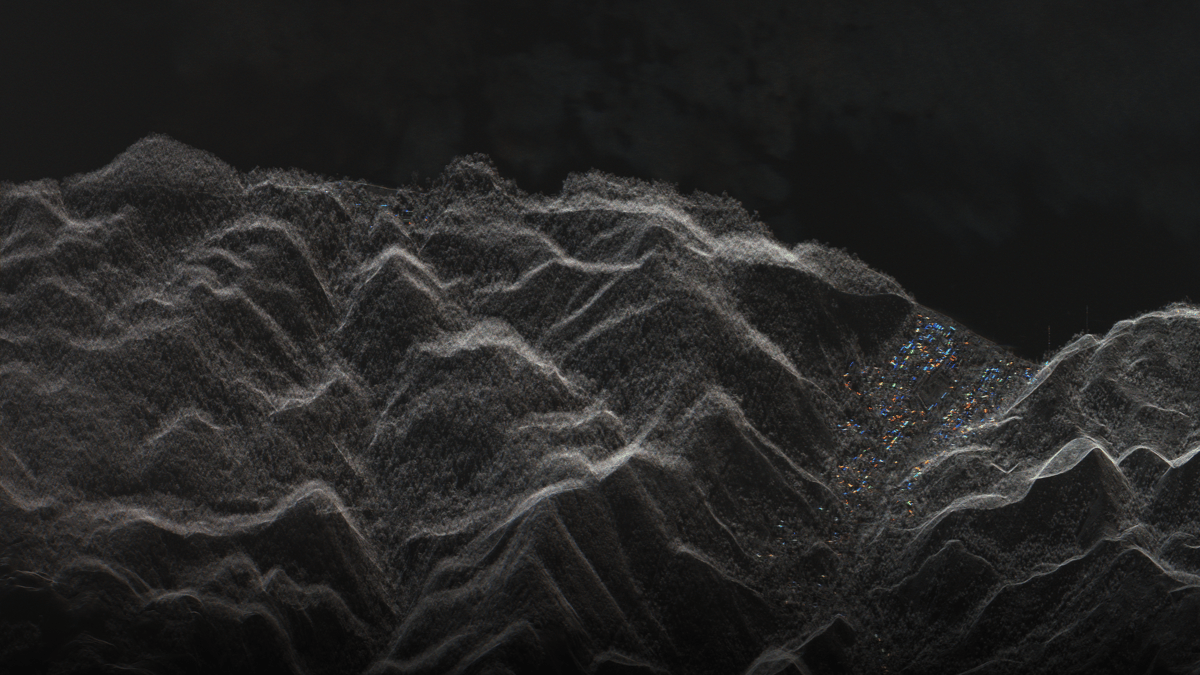
A SAR image is not just a picture. Each pixel carries information about the strength and phase of the reflected radar signal, which reveals surface texture, material properties, structure, and motion.

This means SAR data can show a metal vehicle hidden under tree cover, identify recent activity at an airfield, or detect a vessel that has switched off its transponder. Advanced techniques like Coherent Change Detection compare two images of the same location to reveal changes invisible to the human eye, such as footprints in soil or freshly dug positions.
Explore SAR data applications

SAR-capture_border-monitoring_onethird

Border monitoring

Know what is happening at your borders and beyond.

Strategic-site_military_onethird

Site activity monitoring

Watch strategic sites and detect changes.

Port-monitoring_onethird-1

Port monitoring

Monitor ports worldwide.

Maritime_vessels_hero_medium

Maritime domain awareness

Get actionable intelligence on any activities in your waters of interest.
Deforestation_onethird

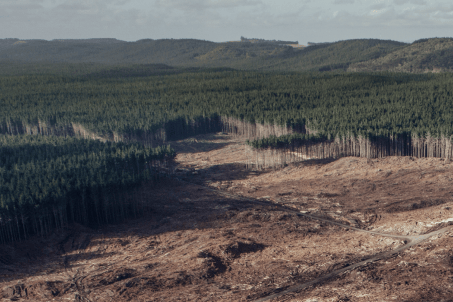
Deforestation monitoring

Monitor forests and identify activities.
Sea-ice_onethird

Sea ice

Monitor sea ice in offshore operations.

Oil-spill-sea_onethird-1

Oil spills

Detect and respond to marine oil spills and oil seeps.

SYNTHETIC APERTURE RADAR FAQ

How does SAR see through clouds?

Synthetic Aperture Radar (SAR) sees through clouds because it uses microwave signals instead of visible light. Microwaves pass through clouds, rain, smoke, and fog with almost no loss, while visible light is blocked or scattered by water droplets. SAR satellites also generate their own signal, so they work day and night, in any weather, anywhere on Earth.

Why microwaves pass through clouds

SAR operates in radio frequency bands such as X-band (around 9.6 GHz, roughly 3 cm wavelength). Cloud droplets and atmospheric particles are far smaller than this wavelength, so they do not block or scatter the signal in any meaningful way. Visible light, with wavelengths under one micrometer, is scattered heavily by the same particles. That is why an optical satellite sees white cloud cover and a SAR satellite sees the ground beneath it.

Why SAR works day and night

Optical sensors depend on sunlight reflecting off the Earth. SAR is an active sensor. It transmits its own radar pulses toward the surface and measures the energy that bounces back. Sunlight is not part of the equation. A SAR satellite produces the same quality image at midnight as at noon, and the same image through a storm as on a clear day.

How does SAR create a sharp image from space?

A satellite antenna small enough to launch into orbit cannot, on its own, resolve fine detail at microwave wavelengths. SAR solves this by using the motion of the satellite along its orbit to synthesize a much larger virtual antenna. The satellite collects thousands of radar returns from the same point on the ground as it passes overhead. These returns are combined coherently in processing to produce high-resolution imagery. ICEYE SAR satellites achieve resolutions as fine as 25 cm in Dwell Precise mode.

Why this matters operationally

Roughly two thirds of the Earth is covered by clouds at any given moment. Optical satellites lose coverage over rainforests, polar regions, Northern Europe in winter, and any conflict zone obscured by smoke or weather. SAR delivers consistent imagery regardless of these conditions. This is why SAR is the backbone of persistent monitoring for defense, intelligence, maritime surveillance, disaster response, and environmental applications.

ICEYE fleet tasking options

Select your tasking method

Tasking ICEYE SAR satellites is a simple process that starts with defining your area of interest, revisit frequency, and other parameters. Request tasking from our customer service, or integrate directly to the ICEYE API platform and automate tasking.

tactical access

Capacity when you need it

With Tactical Access, you can lock in satellite time and task at the last moment. Imagery is delivered quickly and securely via EDGE processor and Direct Downlink.

If the situation changes, you can re-task targets and adjust imaging settings up to two hours before the satellite passes overhead, which is critical for time‑sensitive operations and crisis response.

Access data through ESA programmes

Only SAR (synthetic aperture radar) satellites can collect images day and night and in any weather. Only ICEYE’s constellation of small and agile SAR satellites can revisit the same location in space daily and even sub-daily, enabling a level of change detection that’s never been possible before.

SAR-capture_Rome-Italy_content-bg_half_square

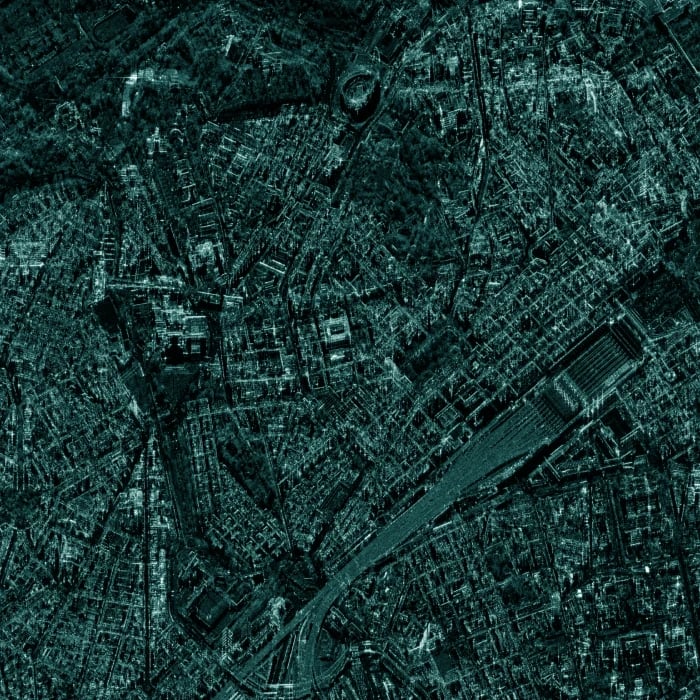
ESA Third party mission data

Sponsored ICEYE SAR data available for research, science, and application development.
SAR-capture_Paris-France_full_medium

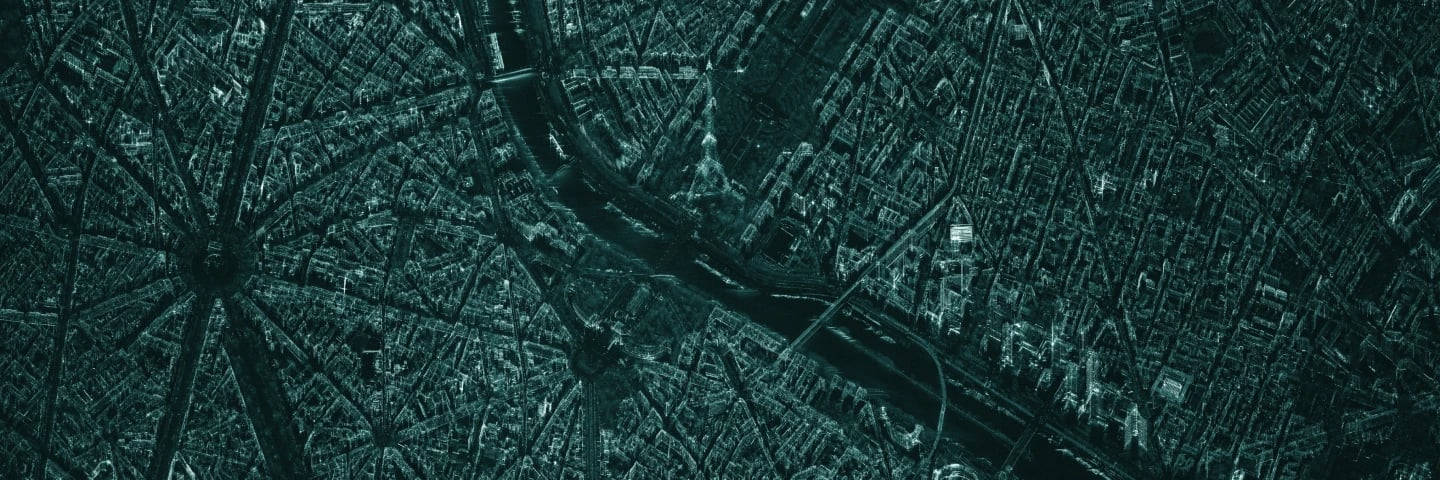
Copernicus

The European Union's Earth observation programme, looking at our planet and its environment to benefit all European citizens.

Dive deeper

Persistent monitoring

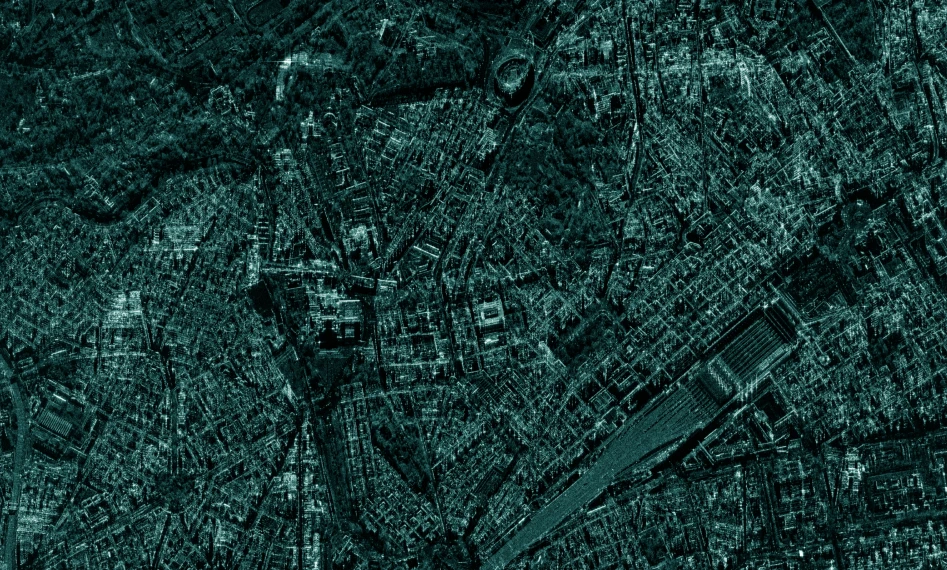
Truly effective change detection requires persistent monitoring. ICEYE unlocks new access to valuable data on any location on Earth - day and night, through the clouds, multiple times per day.
SAR-capture_Rome-Italy_twothirds

SAR systems and satellite missions

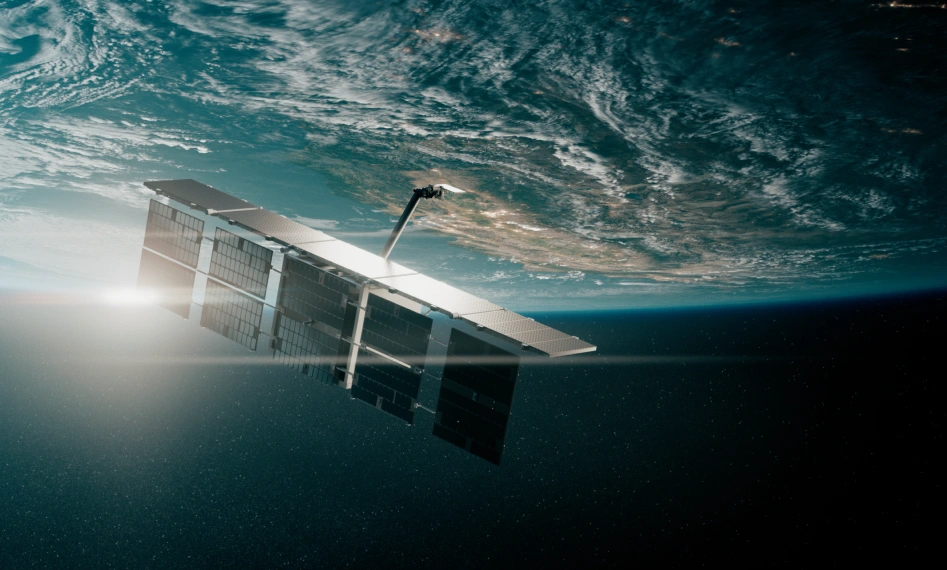
Detect changes with daily and even sub-daily revisits of your location. Our small and agile satellites can be launch-ready within 15–24 months. Now available to own.
Satellite-space-cinematic_twothirds

Talk series

Learn from ICEYE SAR experts

SAR-capture_Airport_Krakow_hero_small

Talk series

The Value of SAR

This talk series discusses SAR basics, products, and applications in an easy way. Created for everyone interested in SAR, with no prior knowledge required.

Want to know more?

Discover how SAR data can empower your organization. Reach out to our experts today.